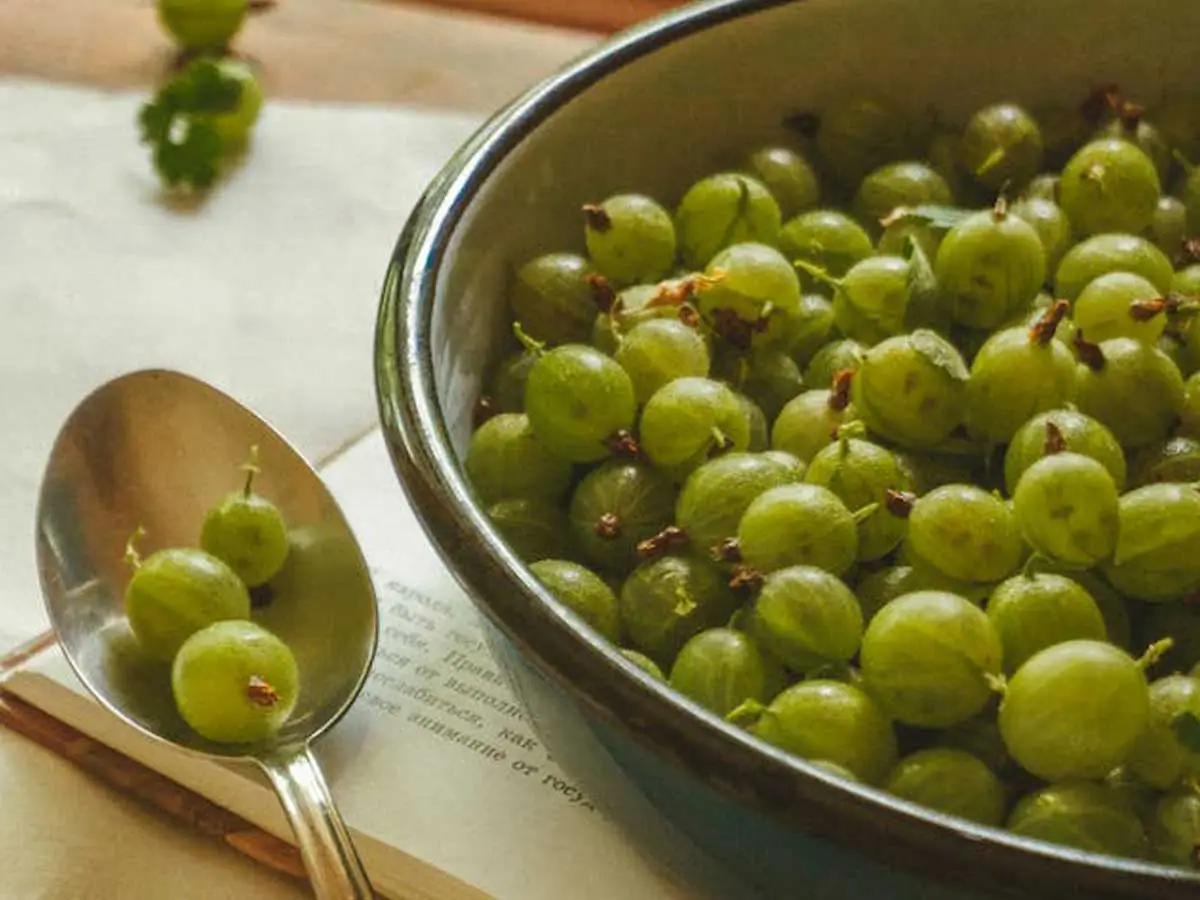
Amla juice is one of those drinks that looks unremarkable in a glass but delivers more nutritional value per serving than almost anything else you can make at home.
Table of Contents
ToggleAmla is the Hindi name for Indian gooseberry, a small green fruit scientifically known as Phyllanthus emblica.
It has been used in Ayurvedic medicine for over 3,000 years, not as a trend or a supplement, but as a daily food that people genuinely relied on for health and vitality.
Modern research has spent the last two decades catching up with what traditional medicine already knew, and the findings are consistently impressive.
A single 100-gram serving of amla contains approximately 600 to 800mg of vitamin C. That is nearly 20 times more than an orange. It also contains vitamin A, iron, calcium, fibre, and a broad range of polyphenols and flavonoids that give it its powerful antioxidant and anti-inflammatory properties.
This article covers the 15 most well-supported health benefits of drinking amla juice in the morning, the nutritional profile behind those benefits, how much to drink, and how to make it at home.
Nutritional Value of Amla Juice
Understanding what is in amla juice helps explain why it does so much for the body. Per 100 grams of fresh amla, the key nutrients include:
| Nutrient | Amount | Key Role |
|---|---|---|
| Vitamin C | 600 to 800mg | Immunity, skin, iron absorption |
| Vitamin A | 290 IU | Eye health, immune function |
| Vitamin B5 | Present | Energy metabolism |
| Folate (B9) | 6mcg | Cell growth, DNA synthesis |
| Iron | 0.31mg | Blood health |
| Calcium | 25mg | Bone strength |
| Fibre | 3.4g | Digestion, blood sugar |
| Calories | 44 kcal | Low calorie, high nutrition |
The combination of high vitamin C with significant antioxidant compounds makes amla juice unique.
Vitamin C alone is found in many fruits. But the specific polyphenols in amla, including emblicanin A and B, tannins, and gallic acid, work together with the vitamin C to produce effects that isolated supplements cannot replicate.
15 Health Benefits of Amla Juice
1. Strengthens the Immune System
Amla juice is one of the most effective natural immunity boosters available. The vitamin C content stimulates the production and activity of white blood cells, which are the primary defenders your immune system sends against bacteria, viruses, and infections.
Research confirms that vitamin C from food sources is absorbed more effectively than supplemental vitamin C and produces stronger and more sustained immune effects. (Source: Nutrients Journal, 2017)
People who drink amla juice regularly report fewer seasonal illnesses, faster recovery from infections, and generally stronger resistance to common colds and flu. This is among the most consistently supported benefits across both traditional use and modern clinical research.
2. Protects Cells From Oxidative Damage
Oxidative stress occurs when free radicals in the body outnumber the antioxidants available to neutralise them. Over time, this imbalance damages cells, accelerates ageing, and increases the risk of chronic disease including certain cancers and cardiovascular conditions.
Amla juice is exceptionally rich in antioxidants. The emblicanin compounds unique to amla are among the most potent natural antioxidants studied in nutritional science. They neutralise free radicals directly and also stimulate the body’s own antioxidant enzyme systems to work more effectively.
A 2011 study published in the European Journal of Clinical Nutrition found that amla consumption significantly reduced markers of oxidative stress in adults with metabolic syndrome. (Source: European Journal of Clinical Nutrition, 2011)
3. Improves Digestion and Gut Health
Amla juice stimulates the secretion of gastric juices and digestive enzymes that break down food more efficiently. This reduces common digestive complaints including bloating, acidity, constipation, and indigestion.
The fibre content in amla promotes healthy bowel movements and feeds beneficial gut bacteria. Amla also has mild alkalising properties that help balance stomach acid, providing relief for people who experience frequent heartburn or acid reflux.
Drinking amla juice on an empty stomach in the morning prepares your digestive system for the day before food arrives. This timing consistently produces better results than drinking it with or after meals.
4. Regulates Blood Sugar Levels
Amla juice has measurable blood glucose-lowering effects that make it particularly relevant for people with type 2 diabetes or those at risk of developing it.
The chromium content in amla enhances insulin sensitivity, helping cells respond more effectively to insulin and take up glucose from the blood. The fibre additionally slows the absorption of sugar from food, reducing post-meal blood glucose spikes.
A clinical trial published in the International Journal of Food Sciences and Nutrition found that amla extract significantly reduced fasting blood glucose and post-meal glucose levels in patients with type 2 diabetes. (Source: International Journal of Food Sciences and Nutrition, 2011)
For diabetic patients, amla juice works as a supportive complement to medical treatment, not a replacement. Always discuss dietary additions with your doctor if you are managing diabetes with medication.
5. Supports Heart Health
Heart disease remains the leading cause of death globally. Amla juice addresses several of the key risk factors simultaneously.
It reduces total cholesterol and LDL cholesterol levels while supporting healthy HDL cholesterol. It reduces arterial inflammation that drives plaque formation. Its antioxidants protect LDL cholesterol from oxidation, which is the specific process that makes cholesterol dangerous to arterial walls.
A study in the European Journal of Clinical Nutrition found that amla consumption produced significant reductions in total cholesterol and triglycerides in adults with hyperlipidaemia over a 28-day period. (Source: European Journal of Clinical Nutrition, 2012)
The fibre in amla additionally binds to cholesterol in the digestive tract and removes it before it can enter circulation, providing a mechanical as well as biochemical cholesterol-lowering effect.
6. Promotes Hair Growth and Reduces Hair Fall
Amla has been used for hair health in Ayurvedic practice for thousands of years. Modern research has identified the specific mechanisms that explain why it works so well.
The vitamin C in amla juice is essential for collagen synthesis. Collagen is a structural protein found throughout the body including in hair follicles. When collagen production is adequate, hair follicles are stronger, hair shaft quality improves, and the rate of hair loss decreases.
Amla also contains iron which supports healthy blood flow to the scalp and tannins that have been shown to reduce scalp inflammation. Both effects contribute to reduced hair fall and improved growth. Regular consumption also prevents premature greying by protecting melanin-producing cells from oxidative damage.
For best results, drink amla juice daily and if possible also apply diluted amla oil to the scalp.
7. Improves Skin Health and Reduces Signs of Ageing
Vitamin C is the most important nutrient for skin health and amla juice provides it in quantities that most other foods cannot match.
Collagen keeps skin firm and elastic. Vitamin C is essential for every step of collagen synthesis, from the production of procollagen molecules to their cross-linking into the structural collagen fibres that give skin its strength. Without adequate vitamin C, collagen breaks down faster than it is replaced and skin begins to show fine lines, wrinkles, and sagging.
Amla juice additionally reduces hyperpigmentation and dark spots through its antioxidant effects on melanin production. It calms inflammatory skin conditions including acne and reduces redness and irritation.
People who drink amla juice consistently over several weeks typically notice visible improvements in skin clarity, reduction in blemishes, and a more even skin tone. (Source: Journal of Drugs in Dermatology, 2019)
8. Supports Healthy Weight Management
Amla juice supports weight management through several complementary mechanisms. The fibre content promotes feelings of fullness and reduces overall caloric intake. The chromium content improves insulin sensitivity, reducing the blood sugar fluctuations that drive cravings and overconsumption.
Amla also has mild thermogenic properties that modestly increase metabolic rate. Animal studies have shown that amla extract reduces fat accumulation and improves lipid metabolism, though human research on this specific mechanism is still developing.
Drinking amla juice in the morning on an empty stomach appears to reduce appetite and improve metabolic markers throughout the morning hours, making it easier to maintain a calorie-appropriate diet.
9. Protects and Supports Liver Function
The liver performs over 500 functions in the body including detoxification, protein synthesis, and bile production for fat digestion. Amla juice supports all of these functions and protects liver cells from damage.
The antioxidants in amla neutralise the reactive oxygen species that liver cells generate during detoxification, preventing the cellular damage that accumulates over time with heavy detoxification loads. Research in animal models has shown that amla extract protects against liver damage caused by toxins, alcohol, and certain medications.
A 2013 study published in Food and Chemical Toxicology found that amla extract significantly protected liver tissue and function markers in induced liver damage models. (Source: Food and Chemical Toxicology, 2013)
10. Reduces Inflammation Throughout the Body
Chronic low-grade inflammation is now recognised as an underlying driver of most major chronic diseases including cardiovascular disease, type 2 diabetes, arthritis, and certain cancers. Reducing systemic inflammation is one of the most impactful things you can do for long-term health.
Amla juice has well-documented anti-inflammatory properties. The tannins and flavonoids it contains inhibit the production of pro-inflammatory cytokines including TNF-alpha and interleukin-6, which are the key signalling molecules that drive systemic inflammation.
For people with arthritis, regular amla juice consumption can reduce joint pain and stiffness by addressing the inflammatory process at a molecular level. This makes it a genuinely useful complementary support for inflammatory conditions.
11. Boosts Metabolism and Energy Levels
Regular consumption of amla juice is associated with improved metabolic function and increased energy levels. The B vitamins in amla are cofactors in the metabolic pathways that convert food into usable cellular energy.
Vitamin B5 supports the synthesis of coenzyme A, which is essential for fat and carbohydrate metabolism. Folate supports DNA synthesis and cell renewal. Together these B vitamins, combined with the iron content that supports oxygen transport in blood, contribute to more consistent energy levels throughout the day.
People who drink amla juice regularly often report reduced afternoon energy slumps and more stable energy across the day. This is consistent with the metabolic effects documented in research.
12. Strengthens Respiratory Health
Amla juice has traditionally been used to support respiratory health and reduce symptoms of asthma and bronchitis. Its anti-inflammatory properties reduce airway inflammation that drives respiratory symptoms. Its vitamin C content supports the immune response in the respiratory tract.
Research has shown that high dietary vitamin C intake is associated with improved lung function and reduced risk of respiratory infections. The antioxidants in amla also protect lung tissue from damage caused by environmental pollutants and cigarette smoke. (Source: Thorax Journal, 2014)
For people who experience frequent respiratory infections or who have chronic respiratory conditions, amla juice can be a meaningful daily addition to their health routine.
13. Protects Eye Health and Vision
Amla juice is rich in vitamin A and carotenoids that are essential for maintaining healthy vision and protecting eye tissue from age-related damage.
Vitamin A is a direct component of rhodopsin, the visual pigment in the retina that enables vision in low light conditions. Deficiency causes night blindness and over time contributes to more serious vision loss. Regular amla juice consumption ensures adequate vitamin A intake from a natural food source.
The antioxidants in amla additionally protect the lens and retina from oxidative damage that accumulates with age and contributes to cataracts and age-related macular degeneration, which is the leading cause of blindness in older adults globally.
14. Supports Kidney Health
Amla juice acts as a natural mild diuretic, increasing urine output and supporting the kidneys in their work of filtering waste products and excess fluid from the blood.
This diuretic effect reduces bloating and water retention and helps prevent the concentration of minerals in urine that leads to kidney stone formation. The antioxidants in amla also protect kidney cells from oxidative damage, which is particularly relevant for people with diabetes where the kidneys are under additional metabolic stress.
Regular amla juice consumption is associated with lower uric acid levels, which reduces the risk of gout and uric acid kidney stones. (Source: Journal of Ethnopharmacology, 2016)
15. Supports Brain Health and Cognitive Function
The neuroprotective properties of amla juice are among the most exciting findings in recent research on this fruit.
The antioxidants in amla cross the blood-brain barrier and protect neurons from oxidative damage. This protection is particularly relevant for preventing the cellular damage associated with neurodegenerative conditions including Alzheimer’s disease and Parkinson’s disease.
Amla juice also supports acetylcholine levels in the brain, a neurotransmitter essential for memory formation and cognitive function. Animal research has consistently shown that amla extract improves memory, learning capacity, and cognitive performance. Human trials are more limited but supportive of these findings.
The overall effect of regular amla consumption on brain health appears to include both protection from long-term neurodegeneration and short-term improvements in clarity and focus.
Is It Safe to Drink Amla Juice on an Empty Stomach?
Yes. Drinking amla juice on an empty stomach in the morning is the most effective way to consume it and is considered safe for most healthy adults.
On an empty stomach, the nutrients in amla juice are absorbed more efficiently because there is no food competing for absorption in the digestive tract. The digestive enzyme stimulation it provides also prepares your gut for the first meal of the day.
The recommended amount is 20 to 30ml of concentrated amla juice diluted in a glass of water, or a full glass of freshly made amla juice. Start with a smaller amount if you have a sensitive stomach and increase gradually.
People who should consult their doctor before drinking amla juice regularly include those with diabetes on medication, those taking blood thinners, and pregnant or breastfeeding women.
Side Effects of Amla Juice
Amla juice is safe for most people when consumed in reasonable amounts. However, be aware of the following:
Excess consumption can cause acidity or digestive discomfort in people with sensitive stomachs. Drink diluted with water rather than concentrated.
The blood sugar lowering effect means diabetics on medication should monitor their levels carefully and discuss with their doctor before making it a daily habit.
Amla has mild blood-thinning properties. People taking anticoagulant medications like warfarin should consult their doctor before consuming large daily amounts.
Very high amounts of vitamin C from any source can cause loose stools in some people. This is dose-dependent and easily managed by reducing the amount consumed.
How to Make Fresh Amla Juice at Home
Making fresh amla juice at home is simple and takes less than ten minutes.
Ingredients:
- 4 to 5 fresh amla fruits
- 1 cup of water
- A small piece of fresh ginger (optional)
- Honey to taste (optional)
- A pinch of black salt (optional)
Method:
Wash the amla fruits thoroughly and remove the seeds. Chop roughly into small pieces.
Blend the amla pieces with one cup of water until completely smooth.
Strain through a fine mesh sieve or muslin cloth to remove the pulp, pressing to extract all the juice.
Add ginger, honey, or black salt according to your preference.
Drink immediately to preserve the vitamin C content, which degrades rapidly on exposure to air and heat.
If fresh amla is not available, 20 to 30ml of cold-pressed commercial amla juice diluted in a glass of water is an acceptable alternative. Check that it contains no added sugar.
Amla Juice Benefits for Men
For men specifically, amla juice offers particular benefits in testosterone support through its zinc content, sperm quality improvement through its antioxidant protection of reproductive cells, hair loss prevention, and muscle recovery support through its anti-inflammatory properties. The metabolic benefits are also relevant for men who are managing weight or at risk of metabolic syndrome.
Amla Juice Benefits for Women
For women, amla juice provides strong support for skin and hair health through collagen synthesis.
Iron support that helps manage menstrual blood loss, bone health through calcium and vitamin C working together to support calcium absorption, and hormonal balance through its anti-inflammatory effects.
During pregnancy, the folate content is relevant for neural tube development, though pregnant women should consult their doctor about appropriate amounts.
Frequently Asked Questions
What happens if you drink amla juice every day?
Daily amla juice consumption over weeks and months produces measurable improvements in immunity, skin clarity, hair strength, digestion, and energy levels for most people. Blood markers including cholesterol, blood sugar, and inflammatory markers have been shown to improve with consistent intake in clinical studies.
How much amla juice should you drink per day?
The recommended amount is 20 to 30ml of concentrated amla juice diluted in water, consumed once daily in the morning on an empty stomach. For fresh homemade amla juice, one full glass of about 200ml is appropriate. Do not exceed this amount regularly as very high vitamin C intake from any source can cause digestive side effects.
Can amla juice be taken with warm water?
Yes. Mixing amla juice with warm water is a common and effective way to consume it. Warm water aids digestion and absorption. Avoid very hot water as high heat degrades vitamin C. Use water that is comfortably warm rather than boiling.
Does amla juice help with weight loss?
Amla juice supports weight management through fibre that promotes fullness, chromium that improves insulin sensitivity and reduces cravings, and modest thermogenic effects that increase metabolic rate. It is a supportive tool alongside a calorie-appropriate diet and regular physical activity, not a standalone weight loss solution.
When is the best time to drink amla juice?
The morning on an empty stomach is consistently considered the most effective time. This maximises nutrient absorption, stimulates digestive enzyme production before the first meal, and provides the immune and metabolic benefits throughout the active hours of the day.
Does amla juice help hair growth?
Yes, through several documented mechanisms. The vitamin C in amla is essential for collagen synthesis in hair follicles. The iron supports healthy blood flow and oxygen delivery to the scalp. The tannins reduce scalp inflammation. Together these effects strengthen existing hair, reduce fall, and support new growth. Results from consistent daily consumption typically become visible within two to three months.
The Bottom Line
Amla juice is one of the few traditional health drinks where modern science has validated almost everything that traditional medicine claimed.
The combination of extraordinary vitamin C content, potent antioxidants unique to this fruit, fibre, and essential minerals produces genuine and measurable health benefits across immunity, digestion, heart health, skin, hair, metabolism, and cognition.
It is also genuinely accessible. Fresh amla fruits are affordable and widely available. The juice takes minutes to make. The daily commitment is one glass every morning on an empty stomach.
Start with a small amount, dilute it well, and build the habit gradually. For most people, the first benefits they notice are improved energy and digestion within the first week. The longer-term benefits to skin, hair, and immunity become more apparent over one to three months of consistent daily use.
References
- Dasaroju S, Gottumukkala KM. Current Trends in the Research of Empblica officinalis. International Journal of Pharmaceutical Sciences Review and Research. 2014.
- Fatima N, et al. Anti-diabetic activity of amla extract. International Journal of Food Sciences and Nutrition. 2011.
- Antony B, et al. Amla and cholesterol in hyperlipidaemia. European Journal of Clinical Nutrition. 2012.
- Sharma N, et al. Protective effects of amla extract on liver function. Food and Chemical Toxicology. 2013.
- Gupta A, et al. Vitamin C from food and immune function. Nutrients. 2017.
- Chaurasia SS, et al. Amla and eye health. Journal of Ethnopharmacology. 2016.