
I Lost 25kg With This Anti-Inflammatory Meal Plan | Real Story
Six months ago, I could barely recognize myself. Not just physically—though the extra weight was definitely there—but I was constantly battling joint pain that made even simple tasks feel exhausting. Getting out of bed felt like a challenge, and I’d given up on activities I once loved. I knew something had to change, but I was overwhelmed by complicated diets and conflicting advice everywhere I looked.
That’s when I discovered anti-inflammatory eating, and honestly, it saved me.
Where It All Started
I wasn’t looking for a “diet” in the traditional sense. I’d tried those before—restrictive meal plans that left me hungry, cranky, and ultimately right back where I started. What caught my attention about the anti-inflammatory diet was that it wasn’t about deprivation. It was about choosing foods that actually helped my body heal from the inside out.
The concept was simple: focus on whole grains, healthy fats, and plenty of fruits and vegetables while cutting back on processed foods and refined grains like white bread. No extreme rules, no counting every calorie obsessively. Just real, nutritious food.
My First Week: The Beginner Meal Plan Approach
I started with a basic 7-day meal plan to get my bearings. I’m not going to lie—I was nervous. I’m not a natural in the kitchen, and the idea of meal prep intimidated me. But I quickly learned that anti-inflammatory recipes don’t have to be complicated.
My mornings usually started with a green smoothie packed with baby spinach, banana, and almond milk. Sometimes I’d switch it up with Greek yogurt topped with fresh cherries and chopped walnuts. These breakfasts were quick, required minimal cleanup, and actually kept me full until lunch—something my old breakfast routine of toast and coffee never managed.
For lunch, I fell in love with simple combinations: a kale salad with avocado and blueberries, or a sweet potato bowl with hummus. The key was keeping my meals around 1,500 calories total per day, with each meal giving me high protein (at least 54 grams daily) and high fiber (over 31 grams) to keep me satisfied.
The Foods That Became My Foundation
What surprised me most was how delicious healthy eating could be. I started building my meals around nutrient-dense foods that actually fought inflammation:
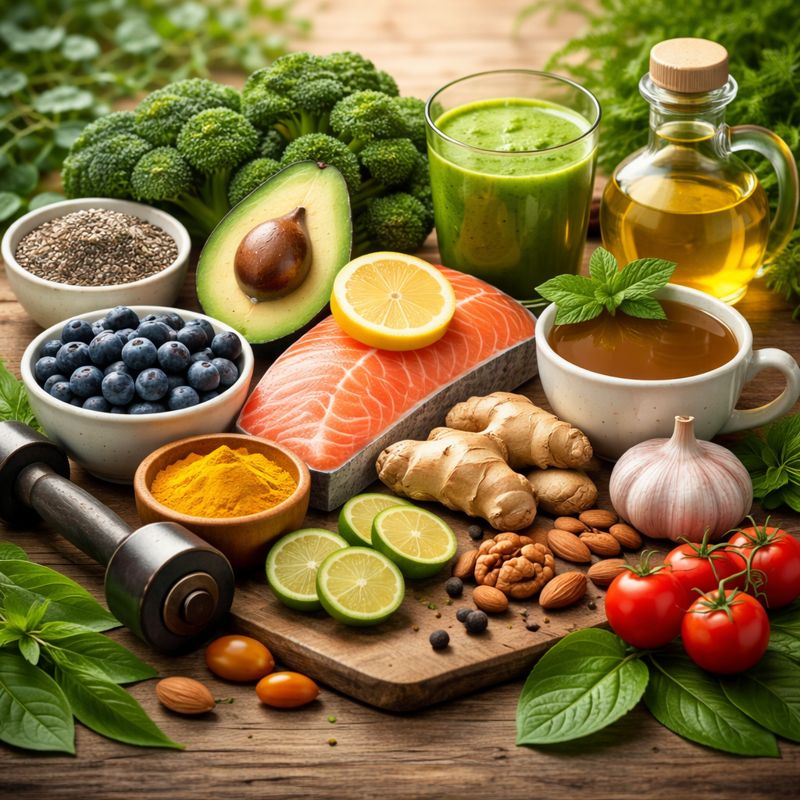
Leafy greens became my best friend. Kale, spinach, mixed salad greens—I ate them almost every day. They’re loaded with antioxidants and beta-carotene, which I learned helps reduce inflammation in the body.
Healthy fats were a game-changer. I’d always feared fat, thinking it would make me gain weight. But avocados, almonds, walnuts, and extra-virgin olive oil became staples. These foods kept me full and helped my body absorb all those good nutrients from my vegetables.
Omega-3 fatty acids from salmon were incredible. I started doing simple sheet-pan recipes—salmon with Brussels sprouts or asparagus, seasoned with garlic and herbs de Provence. One pan, minimal cleanup, maximum flavor.
Complex carbohydrates like sweet potatoes, Yukon gold potatoes, and whole-grain bread gave me energy without the crash I used to get from white bread and pasta.
My Go-To Meals
After experimenting, I found my rhythm. Here’s what a typical day looked like:
Breakfast: Really green smoothie or Greek yogurt with cherries and walnuts
Lunch: Sweet potato and kale salad with grilled chicken breast, or a big bowl of vegan lentil soup with mixed greens on the side
Dinner: Sheet-pan chicken thighs with Brussels sprouts and gnocchi, or garlic butter-roasted salmon with roasted potatoes
Snacks: Unsalted dry-roasted almonds, fresh blueberries, raspberries, or a pear with some walnut halves
I kept fiber-rich foods in every meal, which helped me feel satisfied and kept my blood sugar stable. The abundance of fruits and vegetables meant I was getting tons of antioxidants—especially from those red, blue and purple fruits like cherries, blueberries, and blackberries that are packed with anthocyanins.
The Meal Prep Secret
Here’s what made this sustainable: I started doing simple meal prep on Sundays. Nothing crazy—just cooking a big batch of lentil soup, roasting a few sweet potatoes, and prepping some kale salads for the week. Having healthy meals ready to go meant I wasn’t tempted to order takeout when I got home exhausted.
I also learned to love one-pan meals. Baked eggs in tomato sauce with kale, Provençal baked fish with roasted potatoes and mushrooms—these became my weeknight staples. Simple recipes with short ingredient lists were key to actually sticking with this.
What I Cut Out (And Didn’t Miss)
I dramatically reduced processed foods, refined grains, and foods with excess added sugars. No more white flour pasta, sugary cereals, or daily pastries. I limited red meat to maybe once a week, focusing instead on fish, chicken breast, legumes, and plant-based proteins like edamame and cannellini beans.
What shocked me? I didn’t feel deprived. When you’re eating nutrient-dense foods full of flavor—sun-dried tomatoes, fresh cilantro, cider vinegar dressings, natural peanut butter—you don’t miss the junk.
The Results: 25kg Lost, Pain Gone
Over six months, I lost 25 kilograms. But honestly, the weight loss wasn’t even the best part.
My joint pain virtually disappeared. That constant inflammation I’d been living with—the stiffness in my knees, the ache in my lower back—melted away. I had more energy than I’d had in years. My sleep improved. Even my skin looked clearer.
I wasn’t just losing weight; I was reducing chronic inflammation in my body, and it showed in every aspect of my health.
The Science Behind Why It Worked
Looking back, I understand why this approach was so effective. The anti-inflammatory diet focuses on foods that are protective against the development of cancer and heart disease. The healthy fats from olive oil, nuts, and avocados, combined with the glucosinolates in cruciferous vegetables like broccoli and Brussels sprouts, work together to fight inflammation.
The high fiber content helped lower my glycemic response, which is associated with reduced inflammation. Every meal was designed to be easy-to-follow and delicious while meeting specific nutritional parameters—it wasn’t just about calories, but about getting the right balance of protein, complex carbohydrates, and healthy fats.
Tips for Beginners Starting Their Journey
If you’re considering an anti-inflammatory meal plan, here’s what I wish I’d known from day one:
Start simple. You don’t need fancy ingredients. Stock your pantry with basics: extra-virgin olive oil, honey, soy sauce, fish sauce, hot sauce for flavor.
Embrace frozen. Frozen kale, frozen edamame—these saved me on busy nights and are just as nutritious.
Prep what you can. Even just washing and chopping vegetables on Sunday makes weeknight cooking so much easier.
Find your favorites. I rotated between maybe 10-15 recipes I really loved rather than trying something new every night.
Adjust as you go. I started at 1,500 calories but sometimes needed modifications for 2,000 calories on more active days. Listen to your body.
Use everything bagel seasoning. Seriously, it makes everything taste better.
Six Months Later
I’m not just lighter—I’m genuinely healthier and happier. I can hike again, play with my kids without wincing, and wake up without that heavy, achy feeling I’d accepted as normal.
The anti-inflammatory diet isn’t a temporary fix for me anymore. It’s simply how I eat now. It’s sustainable because it’s based on real food that tastes good and makes me feel amazing.
If you’re struggling with pain, inflammation, or just feeling stuck in your health journey, I encourage you to try this approach. Focus on those leafy greens, load up on colorful fruits and vegetables, embrace healthy fats, and give your body the nutrient-dense foods it needs to heal.
Your future self will thank you.


