For years, I started every morning with a large cup of tea loaded with sugar. Then around 10 AM I would have a bottle of fizzy drink. By the afternoon I was reaching for another. I was not particularly unhealthy , I was just doing what everyone around me was doing and never really questioning it.
Then my father was diagnosed with type 2 diabetes. And my uncle with high blood pressure.
That was the moment, I started paying serious attention to what we put into our bodies. Not just food, but drinks. Because here is something most people completely underestimate: the liquid calories and compounds you consume every single day have as much impact on your long-term health as what you eat. Sometimes more. And yet most people spend hours thinking about their diet and zero minutes thinking about what they drink.
I spent months researching this topic — reading clinical studies, speaking with Dr. Abdul Khaliq (MBBS, DHMS), and cross-referencing evidence from the NHS, NIH, and WHO. What came out of that research is this list. Not a generic Western list of drinks you cannot find in your local market. A real, practical, evidence-based ranking of the healthiest drinks in the world — including ones you already have in your kitchen right now.
What Are Healthy Drinks Exactly ?
A healthy drink is not simply one with no sugar , though that is part of it. A truly healthy drink is any beverage that actively contributes to your body’s function through one or more of the following: hydration, vitamins and minerals, antioxidants, gut health support, blood sugar regulation, or disease prevention.
A glass of fresh Lemon Water ( nimbu pani ) with a pinch of salt is a healthy drink. A bottle of diet cola with artificial sweeteners is not , even though it has zero calories.
What makes something genuinely healthy is not what it lacks. It is what it contributes.
What Are the Best 15 Healthy Drinks You Can Have Every Day?
The best healthy drinks consistently share four qualities. They hydrate efficiently, deliver meaningful nutrients. Have real evidence supporting their health benefits. A drink you will never actually consume is not a healthy drink for you, regardless of what the research says.
With that framework in mind, here are the 15 healthiest drinks ranked from most universally beneficial to most specific in their effects.
1: Plain Water
I know, You were expecting something more exciting. But there is a reason every single doctor, nutritionist, and health researcher on the planet starts with water. Nothing else comes close to what it does for your body.
Water makes up roughly 60% of your body weight. It regulates your core temperature, carries nutrients to every cell, flushes out waste, lubricates your joints, and supports every single metabolic process your body performs. Without adequate water, everything else on this list becomes less effective — because hydration is the foundation all other health functions are built on.
What the research says: Even mild dehydration of just 1 to 2% of your body weight measurably reduces physical performance, impairs concentration, increases fatigue, and slows kidney function. A 2025 review in the European Journal of Nutrition confirmed that consistent daily hydration is the single most impactful dietary behavior for long-term metabolic health.
How much: 8 to 10 glasses per day for most adults. More in summer, during exercise, or if you are breastfeeding or pregnant.
Best for: Everyone. Every age. Every health condition.
If you find plain water boring, add a few slices of lemon, cucumber, or fresh mint. You get the hydration benefit plus a small dose of vitamin C or digestive support — with no added sugar.
2. Green Tea
The key compounds in green tea are catechins. A family of antioxidants that have been shown to reduce inflammation, support cardiovascular health. It improves brain function, and assist with fat metabolism. The most powerful of these is EGCG (epigallocatechin gallate), which has been studied extensively for its role in cancer prevention, although the research is still developing in this area. You can intake these foods along with green tea to boost your immunity.
What the research says: A 2024 meta-analysis published in the European Journal of Preventive Cardiology found that drinking three to five cups of green tea per day was associated with a 21% lower risk of cardiovascular events compared to non-tea drinkers. A separate Cochrane review found green tea consumption associated with modest but consistent reductions in LDL cholesterol and total cholesterol.
How much: 2 to 4 cups per day, Avoid adding milk. it binds to catechins and reduces absorption. Avoid drinking on an empty stomach if you are sensitive to caffeine.
Best for: Heart health, brain health, weight management, antioxidant protection.
3. Warm Turmeric Milk ( Doodh Haldi )
Turmeric contains curcumin, one of the most potently anti-inflammatory compounds found in any natural food source. Chronic inflammation is now understood to be a root driver of most major diseases. Cardiovascular disease, type 2 diabetes, arthritis, and certain cancers. Curcumin directly inhibits the molecular pathways that drive inflammatory processes in the body.
What the research says: A 2023 systematic review in the Journal of Medicinal Food found that curcumin supplementation significantly reduced markers of systemic inflammation, including CRP (C-reactive protein), across multiple clinical trials. Adding black pepper to your turmeric milk increases curcumin absorption by up to 2,000% through a compound called piperine.
How much: One cup before bed, three to four times per week. Add a pinch of black pepper and a small amount of honey if desired.
Best for: Inflammation, joint pain, immune support, sleep quality, and anyone with a family history of diabetes or heart disease.
My mother has made Turmeric Milk every winter evening for as long as I can remember. After everything I have read about curcumin and inflammation. I now understand exactly why it works, and I drink it myself every night before sleep.
4. Fresh Lemon Water
Fresh lemon juice is rich in vitamin C. One lemon provides roughly 30 to 40mg, about 40 to 50% of your daily requirement. Vitamin C is a critical antioxidant that supports immune function, collagen production, iron absorption, and skin health. It also stimulates the production of bile in your liver, which supports fat digestion and detoxification processes.
What the research says: Research published in the Journal of Nutrition found that drinking lemon water first thing in the morning on an empty stomach supports liver enzyme activity and stimulates digestive function. A 2024 study found regular lemon water consumption associated with improved iron absorption. particularly important for women and pregnant mothers who are at higher risk of iron deficiency.
How much: One glass of fresh lemon juice in water, ideally warm water in the morning. Use fresh lemon, not bottled lemon juice. Add a pinch of pink salt for electrolytes if exercising.
Best for: Immune health, digestion, iron absorption, skin health, morning energy without caffeine.
5. Coconut Water ( Nature’s Sports Drink )
Coconut water is one of the best natural sources of electrolytes. Containing potassium, magnesium, calcium, and sodium in proportions that, closely match your body’s own electrolyte balance. This makes it exceptional for rehydration after exercise, illness, or hot weather.
One cup of fresh coconut water contains roughly 600mg of potassium. More than a single banana, along with magnesium, calcium, and natural sugars that help with rapid fluid absorption. Unlike commercial sports drinks, it contains no artificial colors, flavorings, or excessive sugar.
What the research says: A 2023 study published in the Journal of the International Society of Sports Nutrition found coconut water to be as effective as commercial sports drinks for rehydration after moderate exercise, with better gastrointestinal tolerance reported by participants.
How much: One to two cups after exercise or on very hot days. Not recommended in excessive amounts for diabetics due to natural sugar content.
Best for: Post-exercise recovery, hot weather hydration, electrolyte balance, anyone reducing sports drink consumption.
6. Fresh Lassi ( The Probiotic Powerhouse of South Asia )
Fresh homemade lassi made from natural yoghurt contains billions of live probiotic bacteria. Including Lactobacillus acidophilus and Bifidobacterium. They support gut health, strengthen the immune system, improve digestion, and reduce inflammation. The gut microbiome is now understood to influence everything from mood to metabolic health. Fermented dairy products like lassi are among the best ways to support it.

What the research says: A comprehensive 2024 review in Nature Reviews Gastroenterology confirmed that regular consumption of fermented dairy products was associated with a 19% lower risk of type 2 diabetes, improved gut microbiome diversity, and reduced systemic inflammation. These benefits were comparable to commercial probiotic supplements — at a fraction of the cost. There also you can know more about healthy drinks that are suitable for different ages of children’s.
How much: One glass of fresh homemade lassi daily , ideally plain or lightly salted rather than heavily sweetened. The probiotic benefit is in the yoghurt itself, not in added sugar.
Best for: Gut health, digestion, immunity, diabetes prevention, anyone with irritable bowel symptoms.
Important: Use fresh homemade lassi made from natural yoghurt. Not the heavily sweetened commercial versions which contain so much sugar they counter act the health benefits.
7. Black Coffee Without the Sugar and Cream
Coffee is one of the most studied beverages in the world. Consumed without excessive sugar or cream, black coffee is genuinely one of the healthiest drink you can have.
Coffee is one of the largest sources of antioxidants in the diet for many adults. Exceeding even fruit and vegetables in some population studies. It contains chlorogenic acids, which reduce oxidative stress and improve insulin sensitivity. The caffeine itself improves cognitive function, physical performance, and alertness.
What the research says: A major 2023 analysis published in the European Journal of Preventive Cardiology, examining data from over 450,000 adults, found that drinking two to three cups of coffee per day was associated with a 21% lower risk of cardiovascular disease and a 17% lower risk of all-cause mortality compared to non-coffee drinkers. Similar findings have been replicated across multiple large population studies.
How much: Two to three cups per day maximum. Stop caffeine by 2 PM to protect sleep quality. If you have anxiety, heart palpitations, or acid reflux . Reduce consumption or switch to a lower-caffeine option.
Best for: Brain health, cardiovascular protection, metabolic health, physical performance.
8. Ginger Tea The Anti-Nausea, Anti-Inflammation Drink
The active compounds in ginger is gingerols and shogaols. They have measurable anti-inflammatory, anti-nausea, and digestive-supporting effects. Fresh ginger tea is one of the most accessible, affordable, and genuinely effective health drinks you can make at home. It is most commonly used in Pakistan, China, India and across the Middle East countries for several years. Along with ginger tea you can also have anti inflammatory foods that contains ginger .
What the research says: A 2024 meta-analysis in the journal Physiotherapy Research found ginger to be significantly more effective than placebo for nausea reduction. Including pregnancy-related morning sickness, chemotherapy-induced nausea, and motion sickness. A separate review confirmed its anti-inflammatory effects comparable to low-dose ibuprofen for certain types of pain, without the gastrointestinal side effects.
How much: One to two cups of fresh ginger tea daily. Slice two to three pieces of fresh ginger root into boiling water. Simmer for ten minutes, add honey and a squeeze of lemon.
Best for: Nausea, inflammation, joint pain, digestion, morning sickness, motion sickness.
9. Basil Seeds Drink ( Sabja Seeds , Tukmaria ) Uses and Benefits
Sabja seeds also called basil seeds or tukmaria. One of the most underrated healthy drink ingredient in Pakistani and South Asian cuisine. You will find them in soul refresher ( Rooh Afzah ) and summer drinks. What most people do not realize, is that they are a significant nutritional powerhouse.
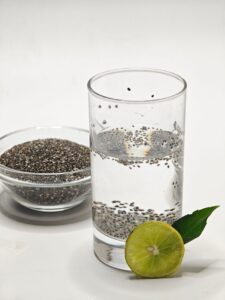
When soaked in water, sabja seeds swell to form a gel-like coating. This gel is made of soluble fibre , which slows digestion, promotes fullness, stabilises blood sugar, and supports gut health. They also contain calcium, magnesium, iron, and omega-3 fatty acids in meaningful amounts.
What the research says: A 2023 study in the Journal of Food Science found sabja seed water consumption significantly reduced post-meal blood sugar spikes and improved insulin response compared to plain water. The soluble fibre content was identified as the primary mechanism. Their cooling properties also make them particularly valuable during hot Pakistani summers when heat stress affects hydration.
How much: One tablespoon of soaked basil seeds in a glass of plain water or Lemon water. once or twice daily, and soak for at least 15 minutes before drinking.
Best for: Blood sugar control, digestive health, weight management, summer hydration, diabetics.
10. Bone Broth ( Bone Soup, Yakhni )
Bone broth is rich in collagen , which breaks down into glycine, proline, and hydroxyproline during cooking. Homemade bone broth from chicken or beef bones is far superior to commercial versions which are often low in actual collagen.

These amino acids are the building blocks of connective tissue. Supporting joint health, gut lining integrity, skin elasticity, and muscle recovery. It also contains gelatin, which supports digestive health by reinforcing the intestinal wall.
What the research says: Research published in Current Developments in Nutrition found that collagen supplementation from food sources like bone broth reduced joint pain in active adults and improved skin hydration markers over 12 weeks. A separate study found glycine — abundant in bone broth — improved sleep quality and reduced daytime fatigue when consumed before bed.
How much: One to two cups daily, particularly after exercise or during illness. Homemade bone broth from chicken or beef bones is far superior to commercial versions which are often low in actual collagen.
Best for: Joint health, gut health, post-exercise recovery, skin health, immune support during illness.
11. Pomegranate Juice ( best drink for heart health )
Fresh pomegranate juice is one of the most antioxidant-rich drinks in the world. Containing three times the antioxidant activity of red wine and green tea.
The active compounds , punicalagins and punicic acid are found almost exclusively in pomegranates. And have particularly strong cardiovascular benefits.
What the research says: A 2022 clinical trial published in Atherosclerosis found that daily pomegranate juice consumption over 12 months reduced arterial plaque thickness by 35% and significantly lowered LDL cholesterol oxidation — a key driver of cardiovascular disease. This is one of the most striking single-drink cardiovascular findings in recent nutrition research.
How much: 150 to 200ml of fresh pomegranate juice daily — not more, as the natural sugar content is relatively high. Always choose fresh-pressed or 100% juice with no added sugar.
Best for: Heart health, blood pressure management, antioxidant protection, men’s health.
12. Warm Water With Honey and Apple Cider Vinegar
Apple cider vinegar contains acetic acid, which has been shown to slow the digestion of starch, reduce post-meal blood sugar spikes, and improve insulin sensitivity. Raw honey , in small amounts — provides enzymes, antioxidants, and antimicrobial compounds without the same glycaemic impact as refined sugar.
What the research says: A 2024 systematic review in the Journal of Evidence-Based Integrative Medicine found that apple cider vinegar consumption before high-carbohydrate meals reduced post-meal blood glucose by an average of 20% across multiple trials. These findings are particularly significant for South Asian populations who have among the world’s highest rates of type 2 diabetes.
How much: One tablespoon apple cider vinegar in a glass of warm water — once daily before your largest meal. Always dilute — never drink undiluted as it can damage tooth enamel and the oesophagus. Use raw, unfiltered apple cider vinegar with the mother.
Best for: Blood sugar management, digestion, weight management, diabetes prevention.
⚠️ Dr. Khaliq’s warning: If you are already on diabetes medication, speak to your doctor before adding apple cider vinegar to your routine. It can lower blood sugar further and may require medication adjustment.
13. Beetroot Juice ( Useful Drink for Blood Pressure Patients )
Beetroot juice has become one of the most researched performance-enhancing drinks in sports science. And exceptionally rich in dietary nitrates, which your body converts to nitric oxide.
Nitric oxide relaxes and dilates blood vessels . Reducing blood pressure, improving blood flow, and increasing oxygen delivery to muscles.
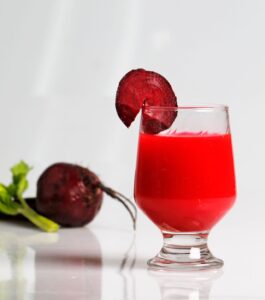
What the research says: A comprehensive 2023 meta-analysis published in the British Journal of Nutrition found that beetroot juice supplementation reduced systolic blood pressure by an average of 4.4 mmHg and diastolic pressure by 1.1 mmHg — comparable to the effect of some antihypertensive medications for mild hypertension. A separate analysis found improvements in exercise endurance of 3% on average in recreational athletes.
How much: 150 to 200ml of fresh beetroot juice, two to three times per week. Can be mixed with apple and ginger to improve the taste. Note: will temporarily turn your urine pink , this is normal and harmless.
Best for: Blood pressure management, athletic performance, cardiovascular health, pre-workout drink.
14. Chamomile Tea — The Sleep and Anxiety Drink
Chamomile tea has the most consistent clinical evidence for specific health benefits, particularly sleep quality and anxiety reduction.

Having apigenin, a flavonoid that binds to benzodiazepine receptors in the brain. The same receptors targeted by anti-anxiety medications. This produces a mild sedative effect that genuinely improves sleep onset and sleep quality without the dependence risk of pharmaceutical alternatives.
What the research says: A 2017 randomised controlled trial published in Phytomedicine found that chamomile extract significantly improved sleep quality and reduced generalised anxiety disorder symptoms compared to placebo over 8 weeks. A 2023 follow-up study confirmed long-term chamomile tea consumption was associated with lower levels of the stress hormone cortisol in the morning — suggesting ongoing stress-regulation effects.
How much: One to two cups in the evening, 30 to 60 minutes before bed. Steep for at least five minutes with a lid on to prevent the volatile oils from evaporating.
Best for: Sleep quality, anxiety, stress management, anyone struggling with nighttime wakefulness.
15. Fenugreek Water
Fenugreek, is a staple of mostly Pakistani and Indian kitchens used in cooking for generations.
Soak a tablespoon of fenugreek seeds overnight and drinking that water in the morning, is one of the most powerful blood sugar management drinks.
Fenugreek seeds contain a unique soluble fiber called galactomannan, which significantly slows the absorption of glucose from food. They also contain compounds that improve insulin sensitivity by acting on insulin receptors in muscle and fat cells.
What the research says: A 2023 clinical trial published in the Journal of Ethnopharmacology found that patients with type 2 diabetes who drank methi water daily for 12 weeks experienced a significant reduction in fasting blood glucose and HbA1c — key markers of blood sugar control — compared to the control group. The results were comparable to some oral hypoglycaemic medications at low doses.
How much: Soak one tablespoon of fenugreek seeds in a glass of water overnight. Drink the water first thing in the morning before eating. Some people also eat the soaked seeds for additional fibre benefit.
Best for: Type 2 diabetes management, blood sugar control, cholesterol reduction, digestive health.
Healthy Drinks Besides Water
Many people know they should drink more water but struggle with the monotony of plain water all day.
The good news is that there are many genuinely healthy drinks besides water that hydrate you and deliver additional benefits at the same time.
- Green tea adds antioxidants your body cannot get from water alone.
- Coconut water replaces electrolytes lost through sweat more effectively than plain water.
- Nimbu pani provides vitamin C alongside hydration.
- Fresh lassi delivers probiotics your gut needs.
- methi water or sabja seeds water provide specific therapeutic compounds relevant to blood sugar and digestion.
The point is this: healthy drinks other than water are not inferior substitutes. Several of them are superior in specific contexts — after exercise, during illness, in hot weather, or as part of managing a specific health condition. The key is knowing which drink serves which purpose, and making choices intentionally rather than by habit or convenience.
What to Avoid in Drinks
Fruit juices from cartons: Even 100% fruit juice concentrates have had most of their fibre removed — leaving behind a high-sugar liquid that spikes blood sugar almost as fast as soda. Eat whole fruit instead.
Commercial energy drinks: Most contain 25 to 40 grams of sugar per can alongside synthetic caffeine, taurine, and artificial vitamins. The short-term energy boost is followed by a blood sugar crash. Long-term, regular consumption is associated with increased cardiovascular risk.
Flavoured water with sweeteners: Many flavoured waters contain artificial sweeteners like aspartame or sucralose. While these have zero calories, emerging research suggests they disrupt the gut microbiome and may affect insulin response. Plain water with fresh fruit or herbs is always a better choice.
Chai with excessive sugar: A cup of traditional Pakistani chai is not inherently unhealthy — but three cups a day with two teaspoons of sugar in each is 6 teaspoons of added sugar daily from tea alone, before considering food. Reduce the sugar gradually — your taste adjusts within two to three weeks.
Frequently Asked Questions
What are the top 10 healthy drinks recommended by doctors?
The top 10 healthy drinks most consistently recommended by medical professionals are plain water, green tea, warm turmeric milk, fresh nimbu pani, coconut water, fresh lassi, black coffee without sugar, fresh ginger tea, pomegranate juice, and chamomile tea. Each has specific clinical evidence supporting its health benefits and is accessible in most parts of the world. Along with these natural drinks you also need to adapt continuous nature of physical fitness.
What are healthy drinks besides water for daily hydration?
The best healthy drinks besides water for daily hydration include green tea, coconut water, fresh nimbu pani, fresh lassi, and ginger tea. Each of these hydrates efficiently while delivering additional nutritional benefits — antioxidants, electrolytes, vitamin C, probiotics, or anti-inflammatory compounds — that plain water cannot provide alone.
Are Pakistani traditional drinks like lassi and nimbu pani actually healthy?
Yes — and the clinical evidence is clear. Fresh homemade lassi contains probiotic bacteria comparable to commercial probiotic supplements. Nimbu pani provides vitamin C, supports liver function, and aids iron absorption. Doodh haldi contains curcumin — one of the most potent anti-inflammatory compounds in nature. Sabja seeds water stabilises blood sugar. Methi water is clinically effective for blood glucose control. These are not just cultural traditions. They are evidence-based healthy drinks that Western health publications have simply not discovered yet.
How many healthy drinks should I have per day?
Water should make up the majority of your daily fluid intake — at least 8 to 10 glasses. Beyond that, aim for two to three cups of a beneficial drink like green tea, ginger tea, or chamomile tea depending on your specific health goals. One glass of nimbu pani, lassi, or coconut water provides meaningful additional benefits. The goal is variety within a sensible total fluid intake — not adding ten different health drinks on top of inadequate water intake.
What is the healthiest drink for weight loss?
For weight loss, the most effective healthy drinks are plain water — particularly before meals where research shows it can reduce calorie intake by up to 13% — followed by green tea, which has consistent evidence for modest improvements in fat metabolism. Apple cider vinegar water before meals reduces post-meal blood sugar spikes which helps reduce hunger. Fresh lemon water in the morning supports liver function and digestion. None of these are magic solutions — but combined with a calorie-appropriate diet, they provide meaningful support.
What are the healthiest drinks for diabetics?
For diabetics, the best healthy drinks are water, methi water, sabja seeds water, apple cider vinegar water, fresh lassi in small amounts, and unsweetened green or herbal teas. Methi water and sabja seeds water have the most direct clinical evidence for blood glucose management. Coconut water should be consumed in moderation due to its natural sugar content. Always discuss dietary changes with your doctor if you are on diabetes medication, as some of these drinks can lower blood sugar meaningfully.